Yes, for some people. US studies estimate that between 22% and 30% of people who use cannabis have cannabis use disorder. The risk is higher for people who start young or use daily, and stronger, high-THC cannabis has also been linked to a higher risk.
Cannabis Addiction: Understanding, Healing, and Private Support
Recognising the Signs: Is It Cannabis Addiction?
Cannabis addiction can build quietly, even while life seems to carry on as normal. What starts as a way to unwind can become something you reach for every evening, then find hard to go without. Noticing the signs isn’t about labels or judgement. It’s a way to see clearly what cannabis is doing in your life, or in the life of someone you love.
Behavioural Signs
• Using more cannabis, or for longer, than intended
• Trying to cut down or stop, and not managing to
• Giving up hobbies, plans or time with family and friends
• Letting responsibilities at work, home or study slip
• Using in risky situations, such as before driving
Psychological Signs
• Spending a lot of time thinking about cannabis
• Strong cravings, or feeling unable to relax without it
• Anxiety, irritability or low mood when not using
• Noticing memory or concentration getting worse
• Carrying on despite its effect on mental health
Physical Signs
• Needing more cannabis to get the same effect
• Poor sleep, sweating or shaking without it
• Loss of appetite when not using
• A persistent cough or chest problems, if smoked
• Repeated bouts of severe nausea and vomiting
Self-Check Questions
These questions aren’t a test or a diagnosis. They’re a gentle way to reflect on your relationship with cannabis. If you answer “yes” to several, cannabis may be playing a bigger part in your life than you’d like, and it may help to talk it through with someone who understands.
- Do I (or does my loved one) use more cannabis, or for longer, than intended?
- Have I tried to cut down or stop, and found I couldn’t?
- Do I spend a lot of time thinking about cannabis or planning when I’ll next use it?
- Do I need more than I used to for the same effect?
- Have I stopped doing things I enjoy, or seeing people I care about, because I’d rather use?
- Do I feel irritable, anxious or unable to sleep when I go without?
- Has cannabis affected my memory, concentration or motivation?
- Do I use in situations where it could be risky, such as at work, before driving or while looking after children?
- Do I keep using even though it’s affecting my mood, relationships or mental health?
How Cannabis Affects Your Health: Today and Tomorrow
Cannabis affects both mind and body. Some effects pass within hours, while others build with regular use. Stronger cannabis, with more THC (the chemical that causes the high), is more likely to cause harm, and the risks rise the earlier and more often someone uses it.
Short-term effects may include
• A faster heart rate and raised blood pressure
• Slower reactions and poorer coordination
• Problems with memory, thinking and concentration
• Anxiety, paranoia or confusion
• In some people, especially at high doses, a brief psychotic episode
Long-terms effects can develop quickly
• A higher risk of psychosis and schizophrenia
• Depression and anxiety
• Problems with attention, memory and learning, especially with frequent use or use that starts in the teenage years
• Coughing and bronchitis when smoked, plus the risks of tobacco if mixed
• Cannabinoid hyperemesis syndrome: repeated, severe vomiting in some long-term users
• Strain on relationships, work and studies
Is Cannabis Addictive? Understanding Cannabis Use Disorder
Yes. While many people use cannabis without becoming dependent, some develop what doctors call cannabis use disorder: a pattern of use that causes real distress or gets in the way of daily life, and that someone can’t stop even when they want to. It exists on a spectrum, from mild to severe, so it can be present even when life looks outwardly fine.
THC acts on the brain’s cannabinoid receptors, which in turn affect its reward system. With regular use, tolerance builds, so more is needed for the same effect, and stopping can bring withdrawal. US studies estimate that between 22% and 30% of people who use cannabis have cannabis use disorder. The risk is higher for people who start young or use daily or near-daily, and stronger, high-THC cannabis has also been linked to a higher risk.
Today’s cannabis is often much stronger than it once was. In the European Union, the average THC content of seized cannabis resin rose by two-thirds between 2014 and 2024. Skunk and other strong forms contain high levels of THC and little or no CBD, and using stronger forms regularly raises the risk of psychosis. Synthetic cannabinoids, sometimes sold as cannabis, are a separate group of chemicals that can be far more potent and dangerous.
Cannabis Withdrawal and Detox: What to Expect
If you use cannabis frequently and then stop, you may experience withdrawal. It isn’t usually dangerous in the way alcohol withdrawal can be, but it can be uncomfortable enough that using again feels like the only relief, which is one reason it can be hard to stop alone.
Common symptoms include:
- Trouble sleeping and vivid dreams
- Anxiety, irritability or anger
- Low mood and restlessness
- Loss of appetite
- Headaches, sweating, shaking, chills or stomach pain
- Strong cravings
How long does cannabis withdrawal last?
Symptoms usually begin within one or two days of stopping, are most intense in the first week and ease over around two weeks. For people who have used heavily, some symptoms can last for two to three weeks or longer.
Support through withdrawal
Some people can cut down gradually and stop with support. If you’ve tried before and keep returning to it, a more structured setting can help. There are no medicines approved specifically for cannabis withdrawal, so care focuses on sleep, nutrition, emotional support and managing symptoms. At Breathe, withdrawal happens somewhere calm and private, away from the routines and places tied to your use.
1 / 4
Breathe’s Path to a Clearer Mind
Recovery from cannabis dependence is about more than stopping. It means understanding why cannabis became your way to switch off, finding other ways to rest and unwind, and rebuilding sleep and routine, all at your own pace and away from the triggers of everyday life.
1 / 4
Aftercare & Long-Term Recovery: Support Beyond Treatment
Stopping cannabis is a beginning, not an ending. The risk of relapse can stay high long after withdrawal has passed, so ongoing support matters, especially when you return to the people and places where cannabis was part of your routine. Relapse isn’t failure. It’s a sign that your recovery plan needs more support.
Effective aftercare often includes:
- Continued therapy: regular sessions to strengthen the coping skills you’ve built and work through what comes up
- Relapse prevention: knowing your triggers, and having a clear plan for social situations, stress and difficult evenings
- Sleep and routine: rebuilding healthy sleep and new ways to unwind, so cannabis isn’t the only way to switch off
- Mental health support: ongoing care for anxiety, low mood or other conditions that often sit alongside cannabis use
At Breathe, aftercare is as personal and private as your treatment. We stay in touch through ongoing therapy, peer support and regular check-ins, so wherever you are in your recovery, you’re not facing it alone.
UK Statistics
In the year ending March 2025, 6.5% of people aged 16 to 59 in England and Wales reported using cannabis in the last year, rising to 12.5% of those aged 16 to 24.
Visit SourceIn England, the proportion of adults aged 16 to 64 showing signs of cannabis dependence nearly doubled, from 2.8% in 2014 to 5.4% in 2023/24.
Visit SourceMore than a fifth (21%) of the 329,646 adults in contact with drug and alcohol treatment services in England between April 2024 and March 2025 said they had a problem with cannabis.
Visit SourceUS Statistics
Between 1995 and 2022, the THC strength of illegal cannabis seized by US law enforcement quadrupled, from 3.96% to 16.14%.
Visit SourceCannabis flower and concentrates sold in dispensaries can have THC concentrations of more than 40%.
Visit SourceSpain Statistics
In 2024, 12.6% of people aged 15 to 64 in Spain had used cannabis in the last 12 months, and 2.5% had used it daily in the last 30 days.
Visit SourceAmong people in Spain aged 15 to 64 who had used cannabis in the last year, 23.8% showed signs of problematic use on a screening test (2024).
Visit SourceCannabis was the main drug in 12,671 admissions to drug and alcohol treatment in Spain in 2023 (16.5% of all admissions), and in 93.7% of under-18s admitted for illegal drugs.
Visit SourceGlobal Statistics
An estimated 256 million people worldwide used cannabis in 2024, making it by far the most widely used drug.
Visit SourceAround 1.6% of adults aged 15 to 64 in the European Union (4.5 million people) use cannabis daily or almost daily.
Visit SourceThe average THC content of cannabis resin seized in the EU rose by 66% between 2014 and 2024, reaching 24.6%.
Visit Source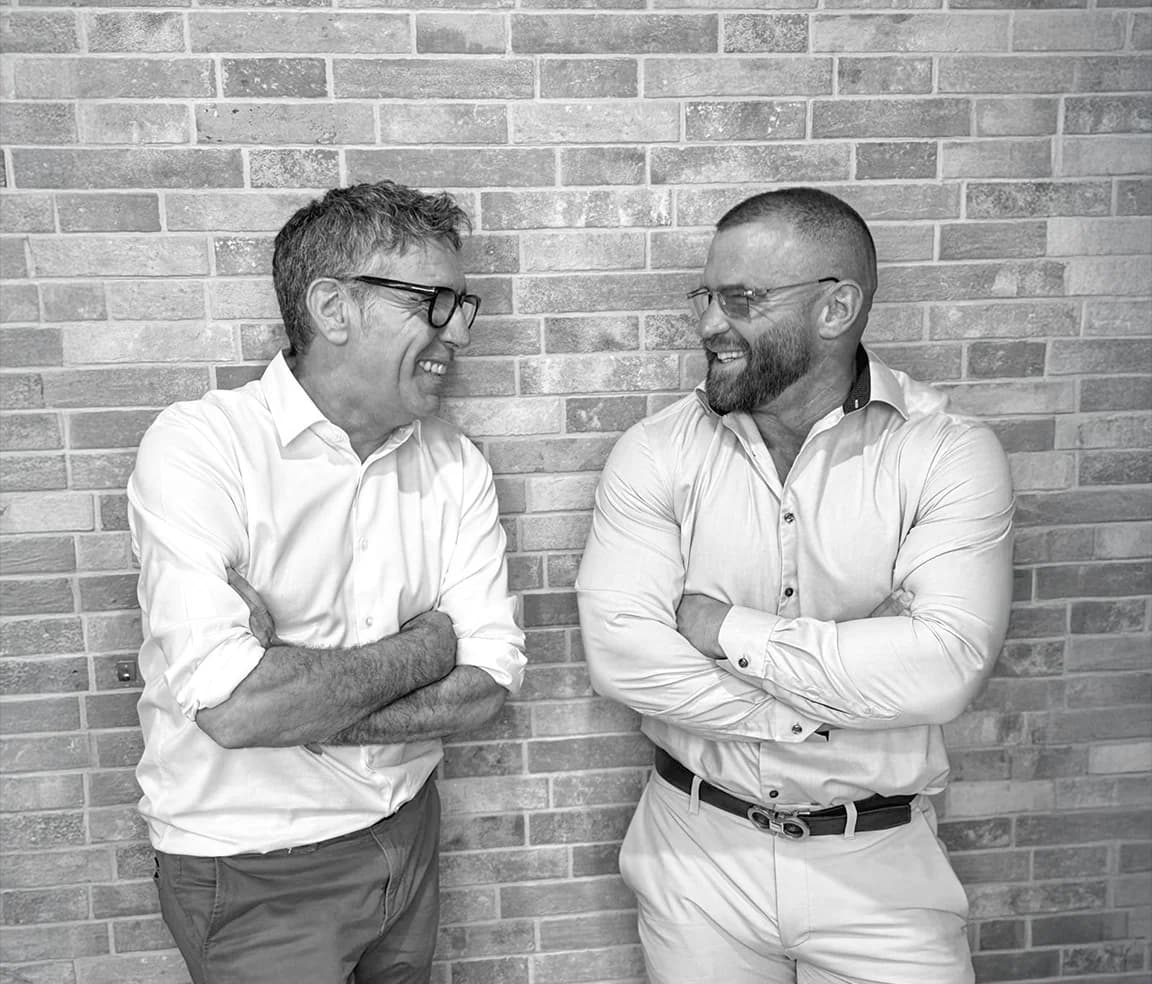
Why Choose Breathe?
At Breathe, we offer more than treatment, we offer understanding, privacy, and care at the highest standard. Our founders remain personally involved, ensuring every journey is built on lived experience and true empathy.
From your first enquiry through aftercare, discretion and confidentiality are absolute. You'll heal in a peaceful, luxurious environment designed to restore calm and dignity. Every detail from small caseloads to holistic therapies, is tailored for you, never templated.
You are not alone. If you're ready to take the next step, speak with us in complete confidence.
Frequently Asked Questions
Symptoms usually start within one or two days of stopping, are strongest in the first week and ease over around two weeks. After heavy use, symptoms can last two to three weeks or longer.
Cannabis use is linked to a higher risk of psychosis, and the risk rises with stronger cannabis, regular use and starting at a younger age. High doses can also trigger a short-lived psychotic episode. If you or someone you love is hearing voices or feeling paranoid after using cannabis, speak to a doctor promptly.
Cannabinoid hyperemesis syndrome (CHS) causes frequent, severe nausea and vomiting in some people who have used cannabis for a long time. Hot baths may ease the nausea for a while, but the only known way to end CHS is to stop using cannabis completely. Repeated vomiting can cause serious dehydration, so it needs medical attention.
Not always. Many people can cut down and stop with some support. A residential programme may help if you’ve tried several times without success, if anxiety, low mood or other mental health problems are part of the picture, or if you need distance from the people and places linked to your use.
You don’t have to wait until they’re ready to reach out yourself. Our family liaison, Marina, draws on her own experience of a loved one’s addiction to support relatives and friends, and family therapy can be part of your loved one’s programme when the time is right.
Sources
The medical information in this guide draws on these organisations.
- Cannabis and Mental Health(opens in a new tab)
Royal College of Psychiatrists · rcpsych.ac.uk
- Cannabis(opens in a new tab)
FRANK · talktofrank.com
- Cannabis (Marijuana)(opens in a new tab)
National Institute on Drug Abuse (NIDA) · nida.nih.gov
- Understanding Your Risk for Cannabis Use Disorder(opens in a new tab)
Centers for Disease Control and Prevention (CDC) · cdc.gov
- Cannabis Use and Cannabis Use Disorder(opens in a new tab)
Nature Reviews Disease Primers · pmc.ncbi.nlm.nih.gov
- Clinical Management of Cannabis Withdrawal(opens in a new tab)
Addiction · pmc.ncbi.nlm.nih.gov
- Cannabinoid Hyperemesis Syndrome(opens in a new tab)
Cleveland Clinic · my.clevelandclinic.org